
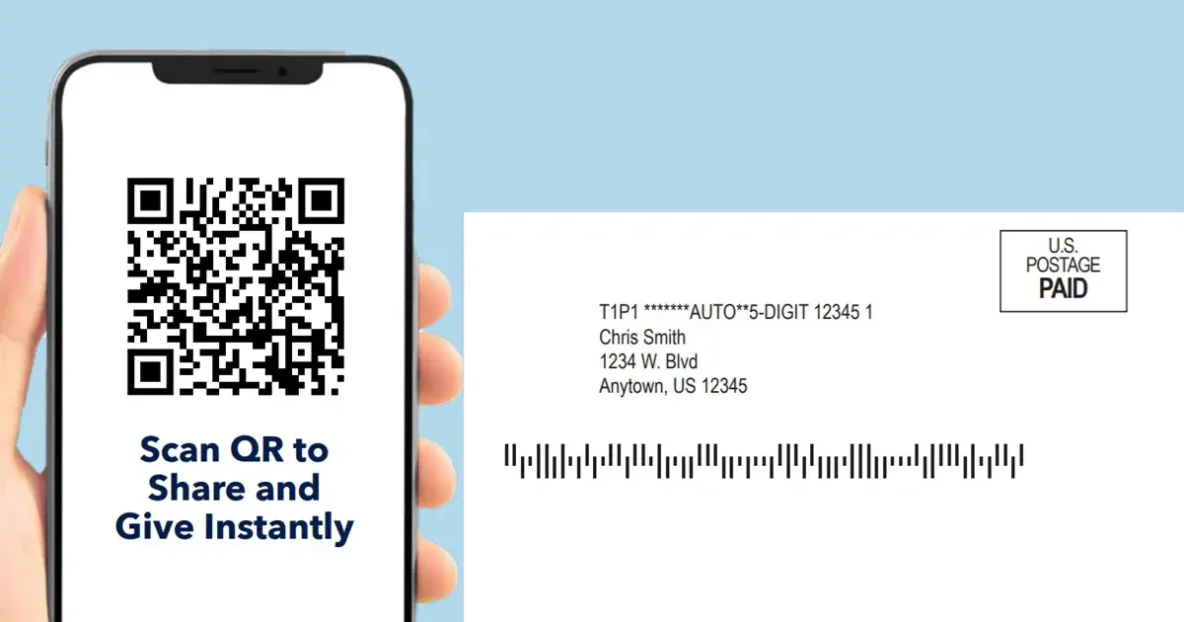
Key Points
- Direct mail remains one of the most trusted and measurable channels for nonprofit fundraising.
- Nonprofit direct mail works because physical mail creates credibility, emotional connection, and repeated exposure in the home.
- Postcard size, format, and materials have a direct impact on visibility and direct mail performance.
- Plastic postcard formats deliver higher recall and longer in-home lifespan than standard paper mailers.
- Personalization and segmentation significantly improve response rates for both donors and prospects.
Nonprofit Fundraising with Direct Mail: Best Tactics That Work
 Nonprofit fundraising with direct mail continues to deliver consistent, measurable results because it reaches donors in a trusted, distraction free environment. While digital channels compete with inbox overload and shifting algorithms, direct mail arrives physically in the home, is handled by the recipient, and often remains visible for days or weeks. That physical presence creates credibility, reinforces legitimacy, and drives action.
For organizations seeking predictable response, stronger donor relationships, and higher lifetime value, nonprofit direct mail remains a proven strategy when executed with intention. This guide explains why direct mail still works, how to design high performing direct mail campaigns, and which tactics consistently improve direct mail performance across acquisition, reactivation, and retention.
Why Direct Mail Still Works for Nonprofit Fundraising
 Combining trust, tangibility, and emotional impact are why direct mail works so well. Donors tend to view printed communication as more credible than digital appeals, particularly when charitable giving is involved. A well-produced mailer signals stability, accountability, and seriousness of purpose.
The increase in digital fatigue has only strengthened the case for nonprofit direct mail. While inboxes are saturated and spam filters are perpetually improving, the physical mailbox remains comparatively uncluttered. Direct mail also offers complete delivery control. You decide the timing, frequency, postcard size, format, and messaging without competing against bidding systems or platform rules.
From a performance standpoint, direct mail campaigns continue to outperform many digital-only approaches for mid-level donors, older demographics, and lapsed supporters. When paired with QR codes and personalized URLs, modern direct mail allows organizations to measure direct mail with the same rigor as online channels.
The Psychology Behind Giving Through the Mail
 Giving decisions are emotional first and rational second. Direct mail activates emotional triggers because it engages multiple senses at once. Texture, weight, finish, and postcard size all influence how the message is perceived.
Printed fundraising appeals also create a sense of permanence. A donor can reread the message, share it, or leave it visible as a reminder. This repeated exposure increases recall and drives stronger engagement than fleeting digital impressions.
Commitment psychology plays a role as well. Physically holding a donation request makes the act of giving feel more deliberate. That sense of intention often results in higher average gifts compared to digital-only asks. When donors handle a durable plastic postcard, they subconsciously associate the quality of the material with the reliability of the organization.
Key Elements of a High-Converting Fundraising Mailer
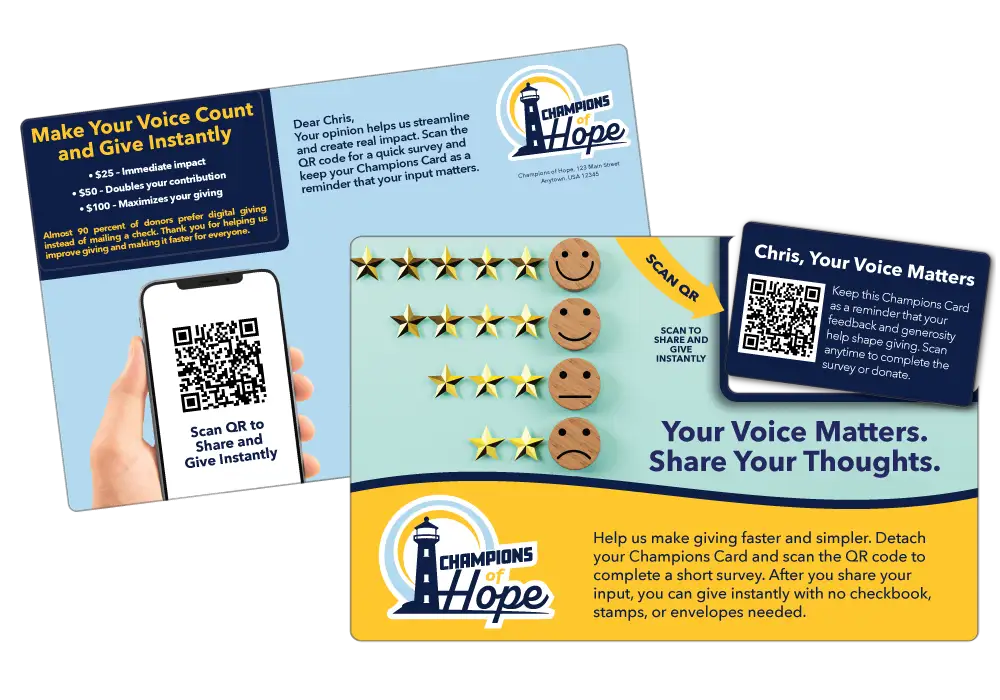 High performing nonprofit direct mail pieces share consistent structural traits that support direct mail campaign performance.
Clarity is the most important factor. Every direct mail piece should focus on a single primary action, whether that is making a donation, completing a survey, or responding to an appeal.
Visual hierarchy matters just as much. Headline, imagery, body copy, and call to action must be easy to scan. Postcard size directly affects this hierarchy by determining how much information can be absorbed at a glance.
Credibility signals such as logos, testimonials, donor counts, and impact statements reinforce trust. Simple response paths using QR codes and short URLs reduce friction and make it easier to measure direct mail accurately.
Choosing the Right Format: Letters, Postcards, and Packages
The format of nonprofit direct mail significantly influences engagement and cost efficiency.
Letters are effective for major donors and long form storytelling, but they rely on envelopes being opened and often carry higher production and postage costs. They also rely on the archaic practice of physically writing and mailing a check. Even Baby Boomers would prefer to donate digitally when given the option to do so vs writing a check.
Direct mail postcards offer immediate visibility and faster engagement. They are seen instantly and work well for both donors and prospects. Postcard size plays a major role here, as larger formats command attention and provide more room for storytelling.
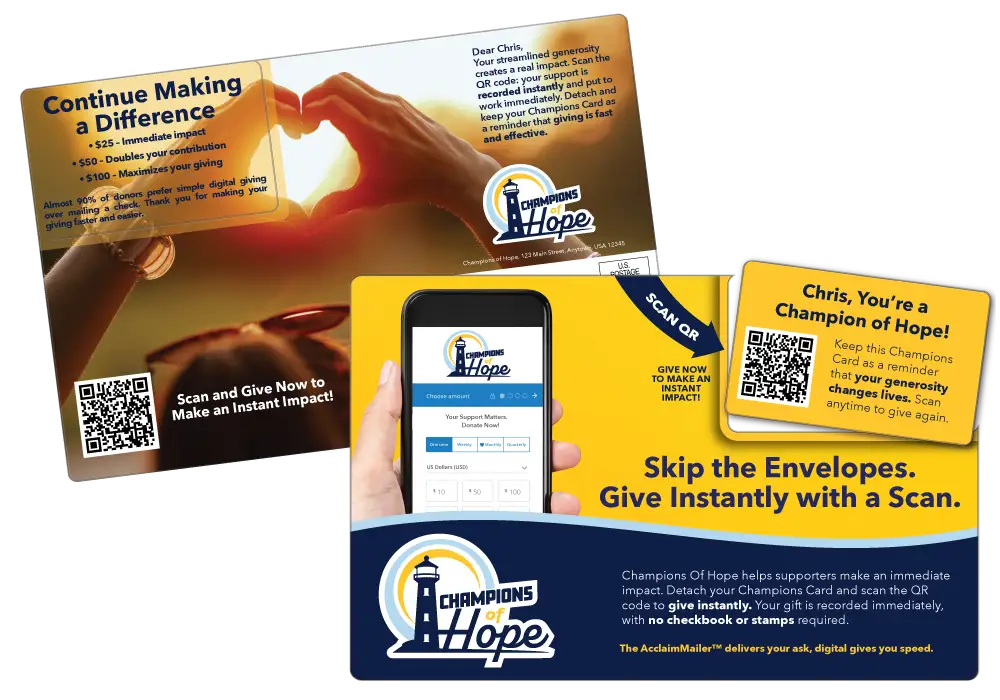
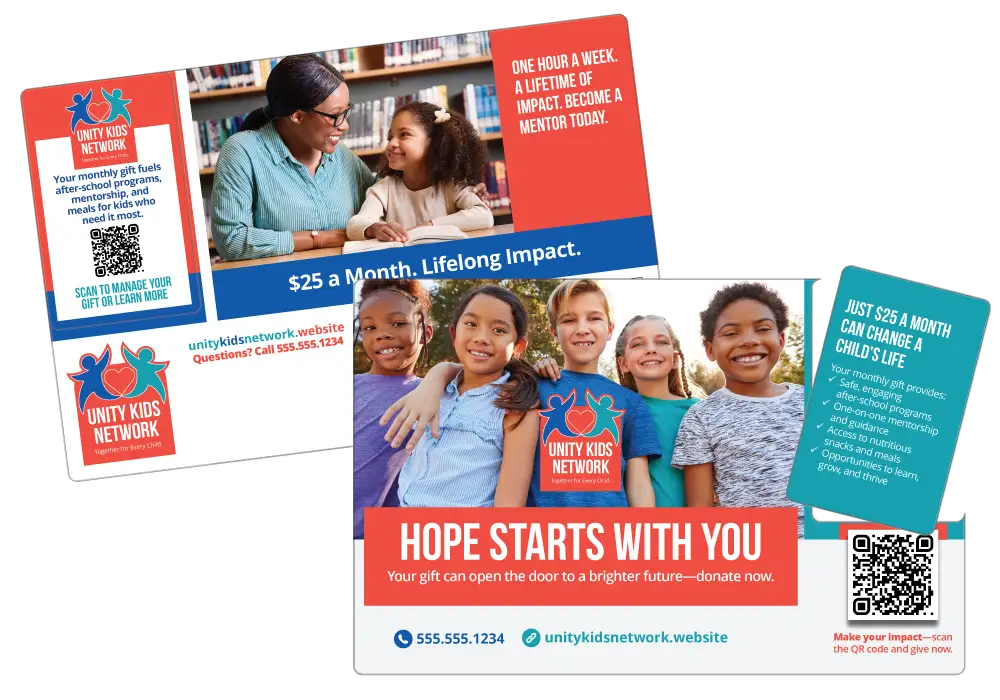
For many organizations, the plastic postcard represents the highest performing modern format. The AcclaimMailer™ pop out plastic postcard combines durability, visual impact, and interactive elements that donors keep. These formats consistently outperform standard paper mailers when recall and retention matter.
Organizations with sustainability goals can use NVIO™ biodegradable plastic postcards to maintain performance while aligning with environmental values. For nonprofits seeking a paper option without plastic, AcclaimLite™ pop out postcards deliver strong engagement using premium print materials.
The Strategic Role of Postcard Size
Postcard size is one of the most controllable variables in direct mail marketing. Larger postcard size formats dominate the mailbox visually and improve message retention.
Common sizes such as 5.5” x 8.5” and 5.5″ x 11″ consistently outperform smaller formats because they allow for better hierarchy, stronger imagery, and clearer calls to action. Postcard size also affects how long a piece is kept, which directly influences direct mail performance.
Whether using paper or a plastic postcard, selecting the right postcard size increases visibility, readability, and response.
How Personalization Increases Donor Response
 Personalization is one of the strongest drivers of nonprofit direct mail results. Using donor name, giving history, geographic relevance, or program affinity signals respect and relevance.
Direct mail campaigns that reference a donor’s previous support consistently outperform generic appeals. Even modest personalization improves direct mail campaign performance by making the message feel intentional rather than mass produced.
Modern nonprofit direct mail often uses a two-path strategy outlined on the fundraising and nonprofit direct mail page. Existing donors typically respond best to a direct ask, such as a QR code that sends them straight to a donation page with minimal friction. Prospects, by contrast, often perform better when emotional investment is built first, such as directing them to a brief survey or engagement page that leads into a donation request.
Storytelling Techniques That Inspire Donations
Stories drive giving more effectively than statistics. The strongest direct mail efforts focus on one person or community impact rather than broad organizational claims.
Effective storytelling includes a clear challenge, a relatable human element, and a donor centered solution. Postcard size determines how much story can be told without clutter.
High quality print materials and compelling photography put a face to the cause. Plastic postcard formats enhance storytelling by resisting damage and staying visible longer, increasing repeated exposure.
Using Urgency and Deadlines to Drive Action
Urgency converts interest into action. Time bound challenges, matching gifts, and funding deadlines consistently improve direct mail performance.
Direct mail postcards with clear deadlines outperform open ended appeals. Urgency should feel authentic, not forced. When trust is established, urgency motivates without diminishing credibility.
Tracking Response and Donation Metrics
 Modern nonprofit direct mail is fully trackable. QR codes, personalized URLs (PURLs), and campaign specific landing pages make it easy to measure direct mail and understand which direct mail pieces generate revenue.
Key metrics include response rate, average gift, cost per dollar raised, and donor retention. Together, these provide a complete picture of direct mail campaign performance and overall direct mail performance.
How to Improve Donor Retention with Direct Mail
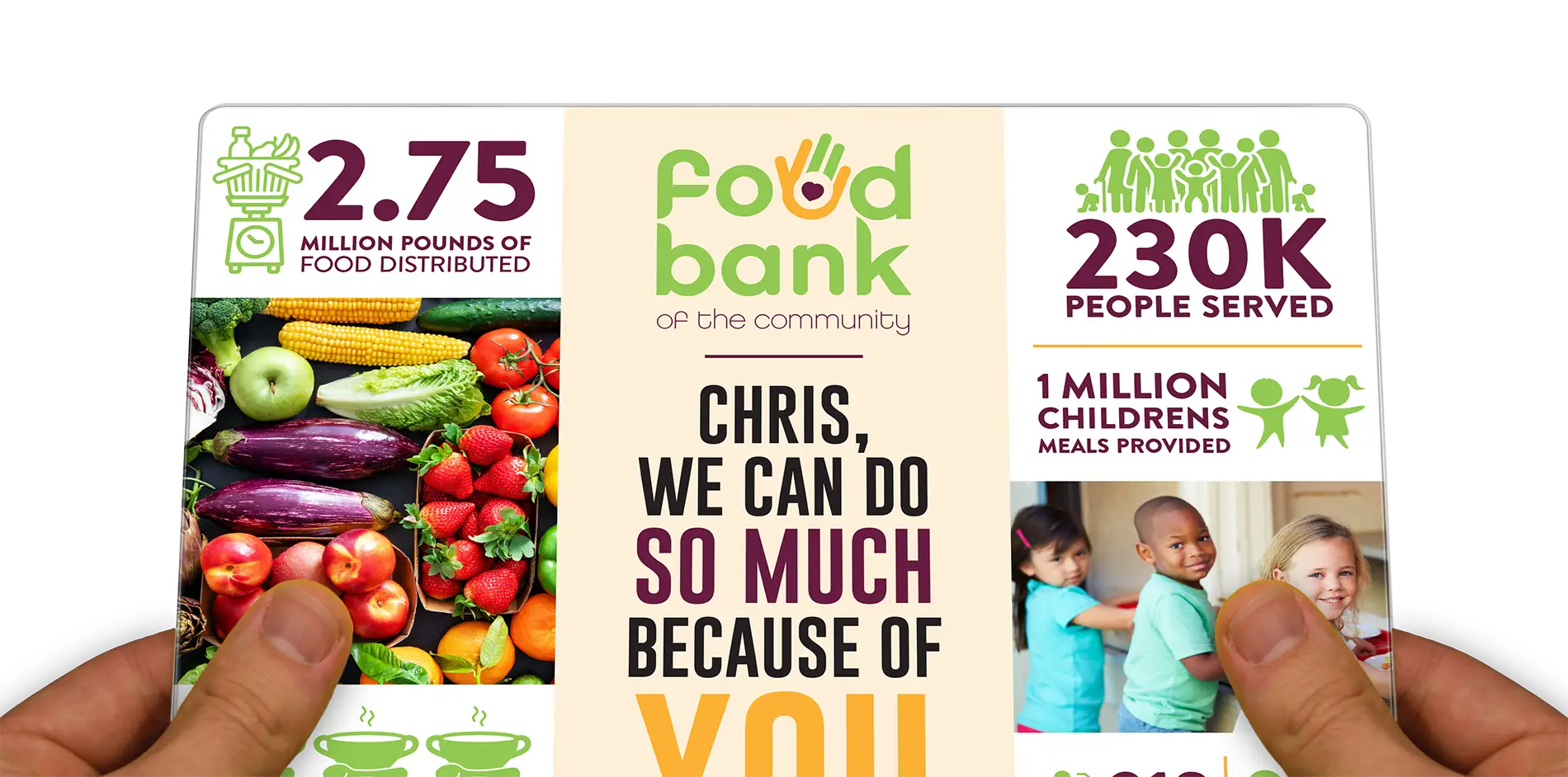 Retention is where nonprofit direct mail delivers compounding value. Donors acquired through direct mail often give more consistently and remain active longer.
Retention-focused direct mail pieces include thank you mailings, impact updates, and renewal reminders. Sending mail that is not always asking for money builds a relational bond rather than a transactional one.
Durable formats such as a plastic postcard improve retention by using personalized break-off cards that naturally stay in a wallet or purse, indefinitely. Postcard size and tactile quality reinforce appreciation and professionalism.
Best Practices for Nonprofits of Any Size
Effective direct mail marketing relies on fundamentals. Define the target audience clearly. Match format and postcard size to campaign goals. Use high impact direct mail pieces where budget allows. Personalize wherever possible and test continuously.
Cost control comes from precision, not volume. Focused direct mail efforts directed at warm lists often outperform larger, unfocused mailings.
Why Format and Materials Matter More Than Ever
The mailbox is less crowded than it once was, giving well designed direct mail a strategic advantage. Plastic postcard formats stand out immediately due to weight, durability, and finish. They resist bending and moisture, extending visibility and improving direct mail performance.
Paper based direct mail postcards remain effective when paired with strong storytelling and thoughtful design. The key is matching print materials to donor expectations and campaign objectives.
Final Thoughts on Nonprofit Direct Mail Success
 Direct mail is not outdated. It is a high performing fundraising channel that continues to evolve through better tracking, smarter personalization, and innovative formats.
When nonprofits invest in the right postcard size, compelling stories, clear response paths, and durable materials, direct mail delivers predictable returns and long-term donor loyalty.
Whether acquiring new supporters, re engaging lapsed donors, or strengthening retention, nonprofit fundraising with direct mail remains one of the most effective tools available when executed with strategy and discipline.
By Sean Goade
Executive VP | SSI Cards Marketing & Direct Mail
About the Author
Sean Goade is Executive VP of SSI Cards Marketing & Direct Mail. He specializes in helping businesses leverage high-impact direct mail strategies, gift cards, and loyalty solutions to drive customer engagement, retention, and growth.