
Key Points
- Early planning gives your campaign a competitive advantage by reaching households before peak‑season mailbox clutter begins.
- The structure and durability of your mailer have a greater impact on response rates than postcard size alone.
- Strong segmentation and timely, value‑driven offers significantly increase summer engagement and redemption.
- Coordinating direct mail with digital touchpoints improves visibility, tracking, and overall campaign performance.
- Measuring results consistently allows you to refine future seasonal campaigns and build long‑term customer growth.
How to Plan a Summer Direct Mail Campaign Before Peak Season
Summer is one of the most active periods for local businesses. Warmer weather increases mobility, spontaneous purchases, and in-store traffic. The businesses that capture the most attention are not the ones that react in June, but the ones that plan early, prepare strategically, and execute with precision. When done correctly, summer direct mail campaigns can outperform digital channels in visibility, retention, and measurable response long before peak season begins.
This guide outlines how to build high-performing direct mail campaigns before summer arrives, with a focus on timing, segmentation, offer strategy, design, and direct mail performance.
Why Early Planning Is Key for Summer Direct Mail Success
Early planning gives businesses a competitive advantage by reaching households before mailboxes become crowded. When your direct mail pieces arrive ahead of peak demand, they face less competition and are more likely to be noticed, retained, and redeemed.
Seasonal direct mail campaigns perform best when they align with consumer behavior. People begin planning vacations, home projects, and summer activities weeks in advance. If your direct mail campaigns arrive too late, customers may have already made their decisions.
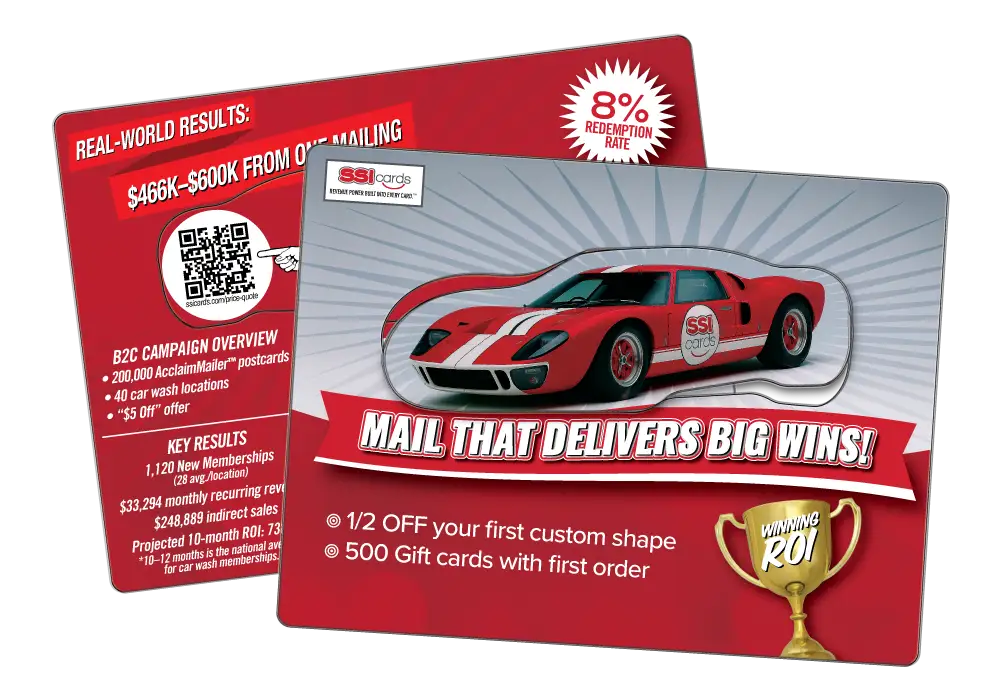
Planning early also provides greater flexibility in choosing the right format, which is far more important than postcard size alone. A standard size AcclaimMailer™ consistently outperforms oversized paper direct mail postcards because its laminated construction and wallet-friendly pop-outs, like the break-off gift cards it was designed to mimic, drive retention and redemption. Rushed direct mail campaigns often lead to compromises in format, targeting, or print materials, all of which can reduce direct mail performance.
When to Start Your Summer Direct Mail Campaign
The ideal timeline for summer direct mail campaigns is 8 to 12 weeks before peak season. For most businesses, this means beginning in early spring.
A recommended schedule:
• 10–12 weeks out: define goals and target audience
• 8–10 weeks out: finalize offer, creative direction, and select the most effective format
• 6–8 weeks out: prepare print materials and mailing lists
• 4–6 weeks out: schedule and deploy direct mail pieces
This structured approach ensures your message arrives at the right time and supports stronger direct mail campaign performance.
Setting Goals for Your Summer Marketing Campaign
Every successful direct mail campaign begins with clear objectives. Without defined goals, it becomes difficult to measure direct mail results or optimize future direct mail campaigns.
Common goals include:
• Increasing seasonal sales
• Driving in-store traffic
• Promoting limited-time offers
• Re-engaging lapsed customers
Your goals influence everything from messaging to the format you choose. Campaigns focused on immediate redemption benefit from formats designed for retention, especially those that remain with the customer beyond the initial interaction.
How to Identify and Segment Your Target Audience
 Understanding your target audience is essential for direct mail marketing success. Not all customers behave the same way during summer, so segmentation improves relevance and response.
Effective segmentation strategies include:
• Geographic targeting
• Demographic filters
• Behavioral data
• Seasonal interests or lifestyle indicators
Refined targeting leads to stronger direct mail campaign performance and reduces wasted spend. It also allows you to tailor direct mail pieces that feel more personal and timely to your target audience.
How to Identify and Segment Your Target Audience
Understanding your target audience is essential for direct mail marketing success. Not all customers behave the same way during summer, so segmentation improves relevance and response.
Effective segmentation strategies include:
• Geographic targeting
• Demographic filters
• Behavioral data
• Seasonal interests or lifestyle indicators
Refined targeting leads to stronger direct mail campaign performance and reduces wasted spend. It also allows you to tailor direct mail pieces that feel more personal and timely to your target audience.
Choosing the Right Offer to Drive Summer Response
Offers are the driving force behind successful direct mail campaigns. Summer audiences respond best to clear, immediate value.
High-performing offers include:
• Dollar-off discounts
• Buy-one-get-one promotions
• Free upgrades
• Limited-time seasonal specials
Gift cards can also strengthen a summer promotion, whether they are sold as seasonal gifts, offered as a bonus with a qualifying purchase, or used as loyalty incentives. Businesses planning higher-volume campaigns can keep branded gift cards on hand for these promotions through bulk gift card ordering.
Format plays a critical role in how offers are remembered and redeemed. Mailers that are kept rather than discarded naturally produce stronger direct mail performance over time.
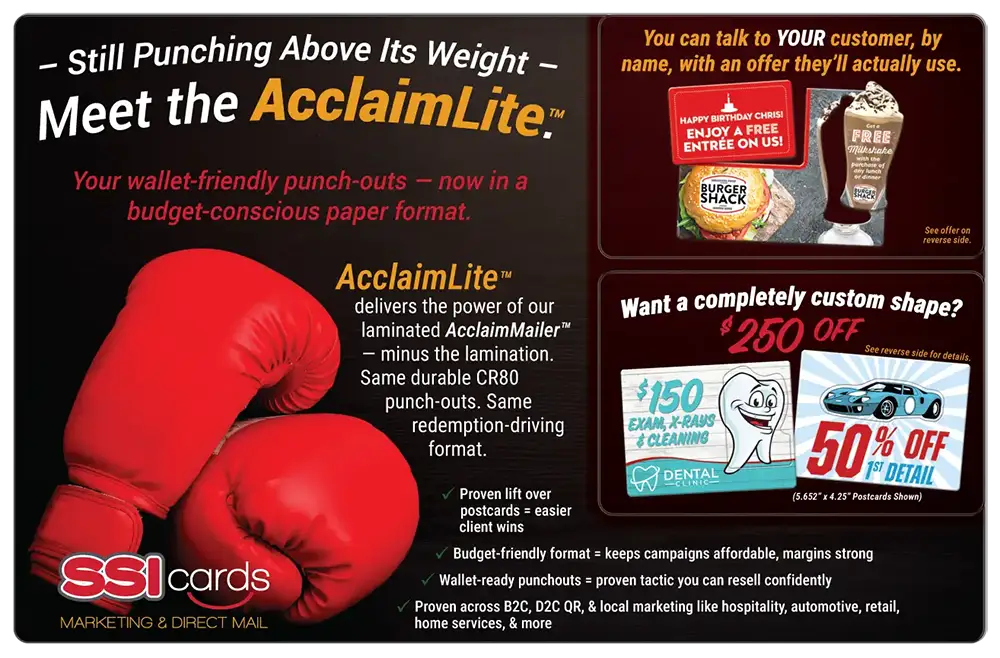
For eco-conscious audiences, NVIO™ provides a biodegradable alternative. If avoiding plastic entirely, AcclaimLite™ offers a substantial paper-based format with wallet-friendly pop-outs.
Ready to Get a Quote?
Designing Direct Mail That Stands Out Before Peak Season
Design is where many direct mail campaigns succeed or fail. Before peak season, your goal is to stand out while reinforcing your brand.
Key design considerations include:
• A format that commands attention in the mailbox
• Strong headlines
• Clean layouts
• Durable print materials
While postcard size can influence visibility, format is the real differentiator in direct mail performance. Structured designs that remain with the customer create ongoing exposure and increase the likelihood of redemption.
Durability matters more than most marketers realize. Premium print materials help your message survive kitchen counters, car dashboards, and wallets throughout the season. As noted earlier, postcard size alone does not determine success, as format plays a much larger role in direct mail performance.
Why Timing and Mail Drop Dates Matter
Timing directly affects direct mail performance. Even the best-designed direct mail campaigns can underperform if they arrive too late.
Best practices include:
• Staggering mail drops
• Aligning delivery with pay cycles
• Avoiding peak clutter periods
Early mailings help build awareness, while follow-up direct mail pieces reinforce your message. This layered approach supports successful direct mail campaigns throughout the season.
How to Build Anticipation Before Summer Promotions Launch
Pre-season direct mail efforts can create anticipation that drives stronger engagement once summer begins.
Effective strategies include:
• Teaser campaigns
• Early access promotions
• Countdown messaging
By introducing your message early, you establish familiarity and increase the effectiveness of later seasonal direct mail campaigns.
Using Personalization to Increase Engagement
Personalization is one of the most effective ways to improve direct mail campaign performance. Tailored messaging resonates more strongly with recipients and increases response rates.
Examples include:
• Addressing recipients by name
• Referencing past purchases
• Customizing offers
Personalized direct mail pieces feel more relevant and lead to more accurate insights when you measure direct mail results and refine future direct mail campaigns.
Integrating Direct Mail with Digital Marketing Channels
Direct mail marketing becomes even more powerful when integrated with digital channels. Coordinated campaigns create multiple touchpoints that reinforce your message.
Integration strategies include:
• QR codes
• Social media tie-ins
• Email follow-ups
This multi-channel approach enhances direct mail marketing campaigns and provides additional ways to measure direct mail engagement and overall direct mail performance. When aligned correctly, direct mail marketing efforts become significantly more effective across channels.
Budgeting for a High ROI Summer Campaign
Budget decisions should focus on return, not just volume. Many businesses assume more direct mail pieces automatically lead to better results, but that is not always the case.
Because postage is the largest cost, investing in a high-performance format often yields better outcomes. For example, you may be able to send 10,000 basic paper postcards for the same budget as 7,500 premium laminated cards, but the 7,500 will typically generate more redemptions and conversions due to stronger retention and engagement.
Not all direct mail postcards perform equally, and format is the primary driver of retention and redemption. This is especially important when comparing direct mail postcards of varying postcard size and construction.
How to Track and Measure Campaign Performance
To measure direct mail effectively, you need clear tracking mechanisms in place before the campaign launches.
Common tracking methods include:
• Unique promo codes
• QR codes
• Call tracking numbers
• In-store redemption tracking
Consistently measure direct mail results to identify what works and what does not. When you measure direct mail accurately, you gain insights that improve future seasonal direct mail campaigns and overall direct mail campaign performance.
Common Mistakes to Avoid When Planning Ahead
Avoid the following:
• Waiting too long to start planning
• Using generic messaging
• Choosing postcard size over format effectiveness
• Failing to segment the target audience
• Neglecting to measure direct mail results
Choosing an oversized paper postcard simply because it appears more noticeable is a common error. Performance is driven by whether the piece is kept and acted on, not just seen.
Turning Early Campaigns into Long-Term Customer Growth
The most successful direct mail campaigns do more than generate short-term sales. They build long-term relationships with customers.
Strategies include:
• Follow-up direct mail pieces
• Loyalty-driven offers
• Consistent seasonal direct mail campaigns
Programs like AcclaimFlex™ provide a pay-as-you-go model that supports ongoing direct mail efforts without requiring large, one-time mailings. For campaigns that require multiple offers in a single mailing, Acclaim10™ delivers up to ten unique offers with laminated durability and wallet-friendly pop-outs.
Final Thoughts
Planning early is the foundation of successful direct mail campaigns. By aligning strategy, timing, design, and targeting, businesses can maximize direct mail performance before peak season begins. The most important decision is not postcard size but format, because durable, wallet-friendly designs consistently outperform oversized paper alternatives.
When executed correctly, seasonal direct mail campaigns not only drive immediate results but also create lasting customer relationships.
By Sean Goade
Executive VP | SSI Cards Marketing & Direct Mail
About the Author
Sean Goade is Executive VP of SSI Cards Marketing & Direct Mail. He specializes in helping businesses leverage high-impact direct mail strategies, gift cards, and loyalty solutions to drive customer engagement, retention, and growth.